


Subtotal ₹0.00

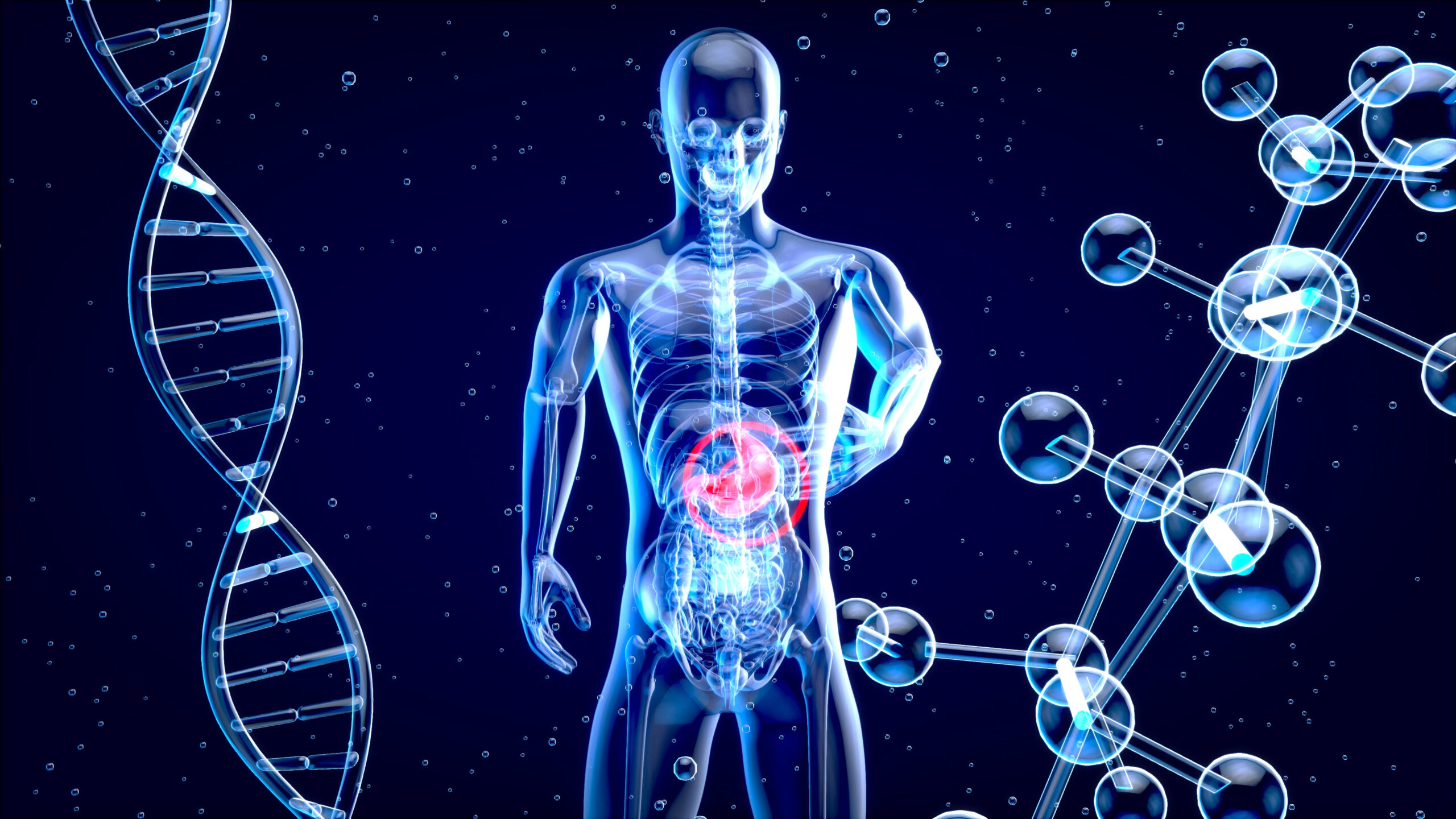
Your kidneys and gut are more connected than you might think. While the kidneys filter waste products from your blood, the gut contains trillions of beneficial bacteria that influence digestion, immunity, metabolism, and overall health. Recent medical research has shown that an unhealthy gut microbiome can contribute to the progression of chronic kidney disease (CKD), making gut health an important part of kidney care.
When the balance of good and harmful bacteria is disrupted, harmful compounds called uremic toxins are produced. Healthy kidneys remove these toxins efficiently, but damaged kidneys cannot filter them effectively. As a result, these toxins accumulate in the body, increasing inflammation and accelerating kidney damage.
If you have diabetes, hypertension, or early kidney disease, understanding the gut–kidney connection can help you take proactive steps to protect your kidney health. Consulting an experienced Kidney Doctor in Bangalore can help you receive timely diagnosis, nutritional guidance, and personalized treatment to slow the progression of kidney disease.
Understanding the Gut–Kidney Axis
The gut and kidneys constantly communicate through what is known as the gut–kidney axis. A healthy gut microbiome supports digestion, strengthens immunity, produces essential nutrients, and prevents harmful bacteria from multiplying.
However, when the microbiome becomes imbalanced due to poor diet, chronic illness, repeated antibiotic use, or kidney disease, harmful bacteria begin producing toxins that enter the bloodstream. Since damaged kidneys cannot efficiently remove these toxins, inflammation increases throughout the body, further worsening kidney function.
This creates a cycle where kidney disease affects gut health, and poor gut health accelerates kidney damage.
What Is the Gut Microbiome?
The gut microbiome refers to the community of bacteria, fungi, and other microorganisms living inside your digestive tract.
These beneficial microbes help to:
Digest Food Efficiently
Healthy bacteria break down dietary fibre and support nutrient absorption.
Strengthen the Immune System
The microbiome helps regulate immune responses and reduces chronic inflammation.
Produce Essential Nutrients
Certain gut bacteria produce vitamins and short-chain fatty acids that help maintain intestinal health.
Remove Harmful Organisms
Good bacteria prevent disease-causing microorganisms from multiplying.
A balanced microbiome contributes not only to digestive health but also to healthier kidneys.
Symptoms of Kidney Disease
Early kidney disease often develops silently, with very few noticeable symptoms. As kidney function declines, you may experience:
Persistent Fatigue
Reduced kidney function can cause anaemia, leading to tiredness and weakness.
Swelling of the Feet and Ankles
Fluid retention is one of the earliest signs of kidney dysfunction.
Changes in Urination
Frequent urination, reduced urine output, foamy urine, or blood in the urine should never be ignored.
Poor Appetite and Nausea
Waste products accumulating in the bloodstream can affect digestion and appetite.
High Blood Pressure
Kidney disease and hypertension often occur together, each worsening the other.
Difficulty Concentrating
Toxin buildup in the blood may affect mental clarity and concentration.
If you experience these symptoms, consult a qualified Kidney Doctor in Bangalore for a comprehensive evaluation.
What Causes Chronic Kidney Disease?
Several health conditions increase the risk of kidney damage.
Diabetes
High blood sugar gradually damages the filtering units of the kidneys.
High Blood Pressure
Poorly controlled hypertension places excessive strain on kidney blood vessels.
Recurrent Kidney Infections
Repeated infections may lead to permanent kidney damage.
Polycystic Kidney Disease
An inherited condition that causes multiple fluid-filled cysts within the kidneys.
Autoimmune Diseases
Conditions such as lupus can directly affect kidney tissues.
Obesity and Poor Lifestyle Habits
Sedentary lifestyles, smoking, unhealthy diets, and obesity increase the risk of chronic kidney disease.
Maintaining a healthy gut microbiome may also help reduce inflammation associated with CKD progression.
How Does Gut Health Affect Kidney Function?
A damaged gut lining allows harmful bacterial toxins to enter the bloodstream more easily.
Some of the important toxins include:
Indoxyl Sulfate
Produced from protein metabolism by gut bacteria, this toxin contributes to kidney scarring.
p-Cresyl Sulfate
This compound promotes inflammation and may accelerate kidney disease progression.
Trimethylamine N-oxide (TMAO)
Elevated TMAO levels have been associated with cardiovascular disease and worsening kidney function.
When kidney function declines, these toxins remain in circulation longer, creating additional stress on the kidneys and increasing cardiovascular risk.
Can Diet Improve Gut and Kidney Health?
Diet is one of the most effective ways to support both gut and kidney function.
Eat Fibre-Rich Foods
Fruits, vegetables, and whole grains nourish beneficial gut bacteria. Patients with advanced kidney disease should follow individualized dietary recommendations.
Choose High-Quality Protein
Excess protein intake may increase kidney workload in certain patients. Your nephrologist can recommend the appropriate amount.
Limit Processed Foods
Highly processed foods can disrupt the gut microbiome and increase inflammation.
Stay Hydrated
Adequate hydration supports healthy kidney function unless fluid restriction has been advised.
Consider Probiotics
Some research suggests that probiotics may help improve microbial balance and reduce uremic toxins. However, supplements should only be taken after consulting a nephrologist.
When Should You See a Kidney Doctor?
Early diagnosis is the key to preventing kidney disease progression.
Consult a Kidney Doctor in Bangalore if you have:
Diabetes or High Blood Pressure
Regular kidney screening is essential, even if you have no symptoms.
Swelling in the Legs or Face
Persistent swelling may indicate reduced kidney function.
Blood or Protein in Urine
Abnormal urine findings should always be investigated.
Family History of Kidney Disease
People with inherited kidney disorders require regular monitoring.
Persistent Fatigue or Weakness
Unexplained tiredness may indicate declining kidney function.
Prompt evaluation allows treatment to begin before irreversible kidney damage occurs.
How Is Kidney Disease Diagnosed?
Your nephrologist may recommend several investigations, including:
Blood Tests
To measure kidney function through serum creatinine and estimated glomerular filtration rate (eGFR).
Urine Analysis
To detect protein, blood, or infection.
Urine Albumin Test
Helps identify early kidney damage before symptoms appear.
Ultrasound Scan
Provides detailed imaging of kidney size, structure, and abnormalities.
Blood Pressure Monitoring
Essential for assessing kidney health and disease progression.
Early diagnosis often makes treatment more effective.
Treatment Options for Chronic Kidney Disease
Treatment focuses on preserving kidney function and preventing complications.
Lifestyle Changes
Maintaining a healthy weight, exercising regularly, quitting smoking, and following a kidney-friendly diet are essential.
Blood Pressure Control
Managing hypertension helps slow kidney damage.
Diabetes Management
Optimal blood sugar control significantly reduces the risk of kidney complications.
Nutritional Counselling
A personalized renal diet helps reduce kidney workload while maintaining adequate nutrition.
Medications
Specific medicines help protect kidney function, reduce protein loss in urine, and manage associated conditions.
Dialysis and Kidney Transplant
In advanced kidney failure, dialysis or kidney transplantation may become necessary. Early nephrology care often helps delay these treatments.
Can Chronic Kidney Disease Be Prevented?
Although not every kidney disease can be prevented, several lifestyle measures reduce the risk.
- Maintain healthy blood pressure.
- Keep diabetes under control.
- Eat a balanced diet rich in fresh foods.
- Stay physically active.
- Drink adequate water unless advised otherwise.
- Avoid unnecessary painkiller use.
- Schedule regular kidney check-ups if you have risk factors.
Healthy kidneys begin with healthy daily habits.
Why Choose Dr. Pallavi for Kidney Care?
Dr. Pallavi is a highly experienced consultant nephrologist dedicated to diagnosing and managing kidney diseases using evidence-based medical care. She specializes in chronic kidney disease, diabetic kidney disease, hypertension-related kidney disorders, electrolyte imbalances, acute kidney injury, dialysis management, kidney transplant evaluation, and preventive nephrology.
Her patient-centred approach emphasizes early diagnosis, personalized treatment, nutritional counselling, and long-term kidney preservation. Every treatment plan is tailored to the patient’s medical condition, lifestyle, and overall health goals.
Patients searching for a trusted Kidney Doctor in Bangalore receive compassionate care supported by modern diagnostics and the latest nephrology guidelines.
Conclusion
The connection between your gut and kidneys highlights the importance of looking beyond kidney function alone. A healthy gut microbiome can reduce inflammation, decrease harmful toxin production, and support better kidney health.
If you have diabetes, hypertension, a family history of kidney disease, or early symptoms of CKD, seeking timely medical care can make a significant difference. Regular monitoring, healthy nutrition, and expert guidance from an experienced Kidney Doctor in Bangalore can help preserve kidney function and improve your quality of life.
Frequently Asked Questions
1. What is the gut–kidney connection?
The gut–kidney connection refers to the relationship between the intestinal microbiome and kidney health. An unhealthy gut can produce toxins that accumulate in people with chronic kidney disease, contributing to inflammation and kidney damage.
2. Can probiotics help improve kidney health?
Some studies suggest probiotics may help improve gut bacterial balance and reduce certain uremic toxins. However, they should only be used after consulting a nephrologist.
3. What foods support both gut and kidney health?
A balanced diet containing fibre-rich foods, fresh vegetables, fruits (as appropriate for kidney function), whole grains, and adequate hydration supports both gut and kidney health. Individual dietary advice may vary depending on the stage of kidney disease.
4. When should I consult a Kidney Doctor in Bangalore?
You should consult a nephrologist if you have diabetes, high blood pressure, swelling, blood or protein in urine, abnormal kidney function tests, or a family history of kidney disease.
5. Why choose Dr. Pallavi for kidney care?
Dr. Pallavi provides comprehensive nephrology care with expertise in chronic kidney disease, dialysis, diabetic kidney disease, hypertension, kidney transplant evaluation, and preventive kidney care. Her focus on early diagnosis, personalized treatment, and patient education helps patients protect their kidney health for the long term.
Comments are closed