


Subtotal ₹0.00

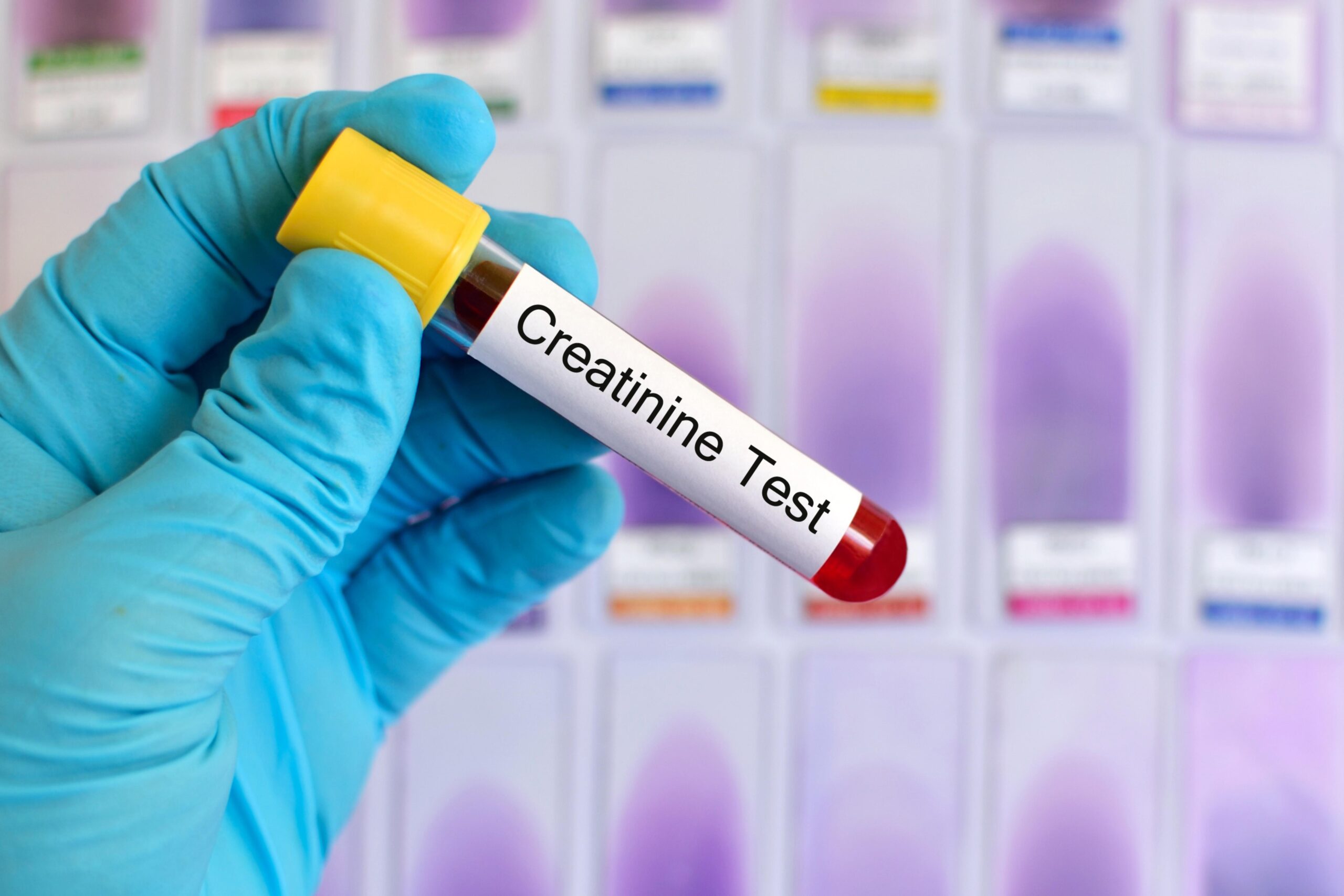
Creatinine levels are one of the most important indicators of kidney health. If your recent blood test shows elevated creatinine, it can be confusing and concerning. Understanding what creatinine means, why it increases, and when to take action can help you protect your kidney function early.
If you are looking for a reliable Kidney Specialist in Sarjapur Road, Bangalore, this guide will help you interpret your reports and understand when medical attention is necessary.
What is Creatinine?
Creatinine is a waste product produced by normal muscle activity in the body. It is released into the bloodstream and filtered out by the kidneys through urine.
Healthy kidneys maintain stable creatinine levels by removing this waste efficiently. When kidney function declines, creatinine starts accumulating in the blood. This is why creatinine is a key marker in kidney function test results and is routinely checked in blood tests.
Normal vs Abnormal Creatinine Levels
Normal creatinine levels vary slightly based on age, gender, and muscle mass.
Normal ranges:
- Men: 0.7 to 1.3 mg/dL
- Women: 0.6 to 1.1 mg/dL
Abnormal levels:
- Levels above 1.3 mg/dL may indicate reduced kidney function
- Persistently rising creatinine is more concerning than a single reading
Doctors do not rely on creatinine alone. They also evaluate eGFR, urine reports, and overall clinical condition. Consulting a Kidney Specialist in Sarjapur Road, Bangalore ensures accurate interpretation of these values.
High Creatinine Symptoms
Kidney problems often develop silently, especially in early stages. However, as creatinine rises, certain symptoms may appear.
Common high creatinine symptoms include:
- Fatigue and weakness
- Swelling in legs, feet, or face
- Reduced or excessive urination
- Shortness of breath
- Nausea or loss of appetite
These symptoms usually indicate moderate to advanced kidney stress, making early testing essential.
Creatinine Level Causes
High creatinine levels can occur due to several reasons, not all of which are permanent or severe. Identifying the root cause is critical.
Common creatinine level causes include:
Kidney-related conditions:
- Chronic Kidney Disease (CKD)
- Acute Kidney Injury (AKI)
- Kidney infections or inflammation
Lifestyle and temporary factors:
- Dehydration
- High protein intake
- Intense physical activity
Medical conditions:
- Diabetes
- High blood pressure
Medications:
- Long-term use of painkillers
- Certain antibiotics
A proper diagnosis by a Kidney Specialist in Sarjapur Road, Bangalore helps determine whether the condition is reversible or requires long-term management.
When Should You Worry About Creatinine Levels?
You should take creatinine levels seriously if there is a consistent rise or associated symptoms.
You should consult a doctor if:
- Creatinine is above the normal range repeatedly
- eGFR is below 60
- You have diabetes or hypertension
- You notice swelling, fatigue, or urinary changes
- There is a family history of kidney disease
Early consultation with a Kidney Specialist in Sarjapur Road, Bangalore can prevent progression to severe kidney disease.
Understanding Kidney Function Test Results
Kidney function tests include multiple parameters that provide a complete picture of kidney health.
Creatinine indicates the amount of waste in the blood. eGFR shows how well the kidneys are filtering. Blood urea nitrogen reflects protein waste levels.
Even mild abnormalities in these kidney function test results should not be ignored. Early detection allows timely treatment and better outcomes.
Treatment Options for High Creatinine
Treatment focuses on addressing the underlying cause rather than just lowering creatinine levels.
Lifestyle changes:
- Reduce salt intake
- Maintain proper hydration
- Avoid unnecessary medications
Medical treatment:
- Control blood pressure and diabetes
- Use kidney-protective medications
Diet management:
- Adjust protein intake
- Avoid processed and high-sodium foods
Advanced care:
- Dialysis in severe cases
- Kidney transplant if required
A personalized plan from a Kidney Specialist in Sarjapur Road, Bangalore ensures safe and effective management.
How to Reduce Creatinine Safely
Reducing creatinine requires a combination of medical guidance and lifestyle changes.
Recommended steps include:
- Drinking adequate fluids as advised
- Limiting excessive protein supplements
- Managing blood sugar and blood pressure
- Avoiding overuse of painkillers
- Following a kidney-friendly diet
It is important not to rely on home remedies alone without medical supervision.
Why Early Detection Matters
Kidney disease often progresses without noticeable symptoms. By the time symptoms appear, damage may already be significant.
Regular screening and timely consultation can:
- Prevent long-term kidney damage
- Delay or avoid dialysis
- Improve quality of life
If your reports show abnormalities, consulting a Kidney Specialist in Sarjapur Road, Bangalore at the earliest stage can make a significant difference.
FAQs
1. What creatinine level is considered dangerous?
Creatinine levels above 1.3 mg/dL may indicate kidney issues, but levels above 2.0 mg/dL require immediate medical evaluation, especially if symptoms are present.
2. Can high creatinine levels be reduced naturally?
Mild elevations can sometimes be managed with hydration, diet control, and lifestyle changes. However, medical evaluation is essential to address the underlying cause.
3. How often should kidney function tests be done?
People with diabetes, hypertension, or kidney risk factors should test every 3 to 6 months. Others should consider annual screening.
Final Thoughts
Creatinine levels provide valuable insight into kidney health. Ignoring abnormal readings can lead to serious complications, while early intervention can prevent long-term damage.
If you notice changes in your kidney function test results or experience related symptoms, seeking timely medical advice is essential. Consulting a trusted Kidney Specialist in Sarjapur Road, Bangalore ensures accurate diagnosis, proper treatment, and long-term kidney care.
Comments are closed